

Procedures & Treatment Room Services

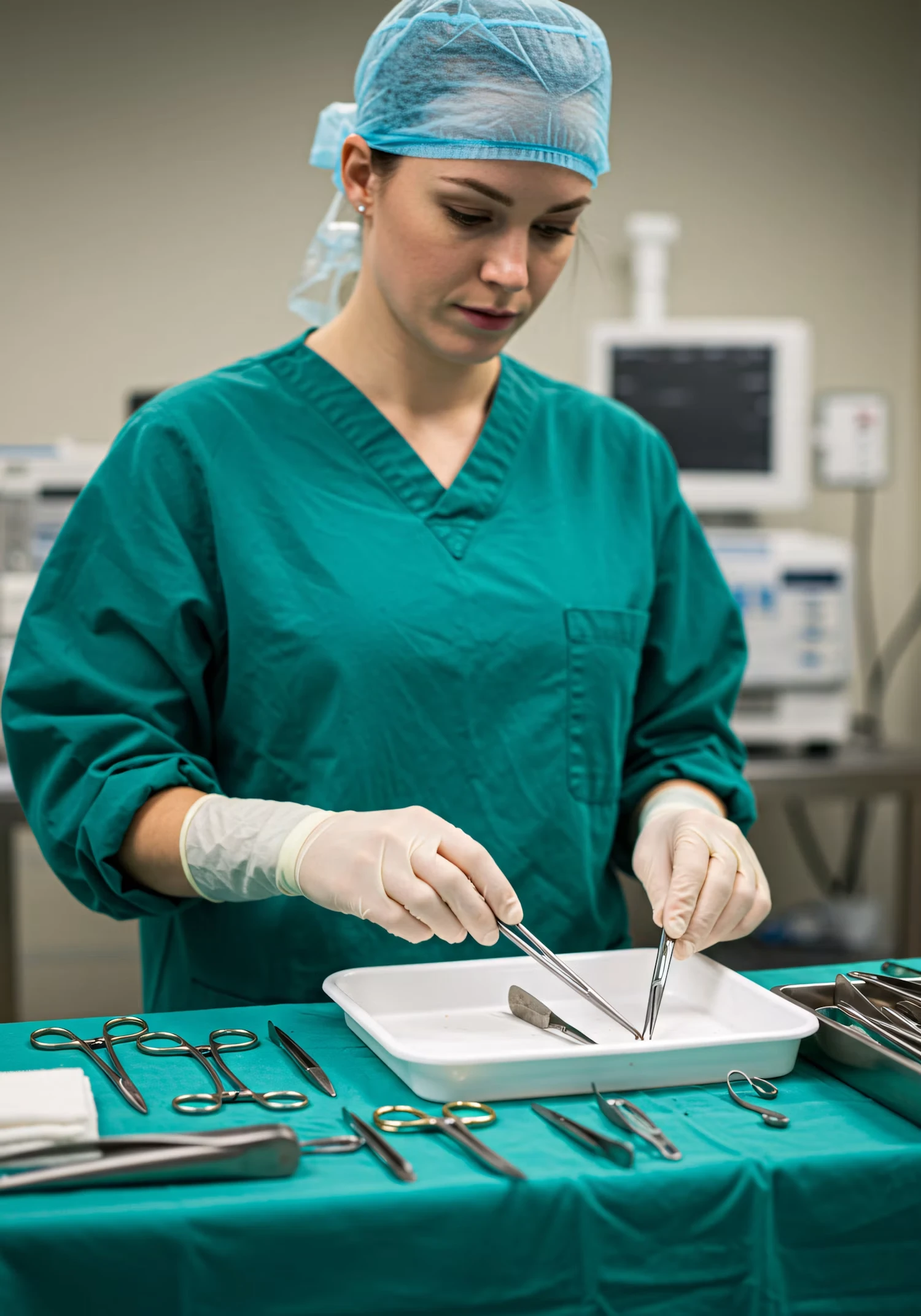
Healthcare professional performing a minor surgical procedure

Minor Surgical Procedures

Some minor procedures can be assessed and managed in a general practice treatment-room setting. An initial consultation allows your doctor to examine the concern and discuss whether treatment at the practice or referral elsewhere is appropriate.

Before a procedure, you can discuss:

  • The reason for treatment and available alternatives
  • Expected benefits, risks and possible complications
  • Anaesthetic and pain-management options
  • Preparation, recovery and follow-up
  • Fees and any additional costs

Contact reception before booking a procedure. An assessment appointment may be required first, and availability depends on the procedure and the clinician.

Read More
Doctor examining a patient’s skin with a magnifying lamp

Skin Lesion Biopsy & Excision

Your doctor may recommend taking a sample from a skin lesion or removing it for further examination. The approach depends on the lesion and the clinical assessment.

Before treatment, discuss the reason for the procedure, possible scarring, aftercare and how any pathology results will be communicated. Further treatment or referral may be needed depending on the findings.


Doctor examining a patient’s arm

Cryotherapy

Cryotherapy uses freezing treatment for selected skin lesions. Your doctor will first assess the area and explain whether this treatment is suitable or whether another approach is needed.

Ask about expected skin changes, discomfort, aftercare and whether further treatment or review may be required. Not every skin spot is appropriate for freezing.

Healthcare professional performing a minor surgical procedure

Wound Care & Dressings

Wound care starts with assessing the injury or healing concern and deciding what management is appropriate. Your clinician can discuss cleaning, dressing choices and a review schedule suited to the wound.

When booking, explain the type of wound, when it occurred and any recent treatment. Bring discharge instructions or dressing information if another service has already provided care.

Healthcare professional wearing a mask and gloves

Suturing of Wounds

Some cuts may need stitches or another method of closure. Suitability depends on the wound’s location, depth, contamination and the time since the injury.

Contact the practice promptly for advice about assessment and availability. Your clinician will explain appropriate treatment, wound care and any follow-up or stitch-removal arrangements.

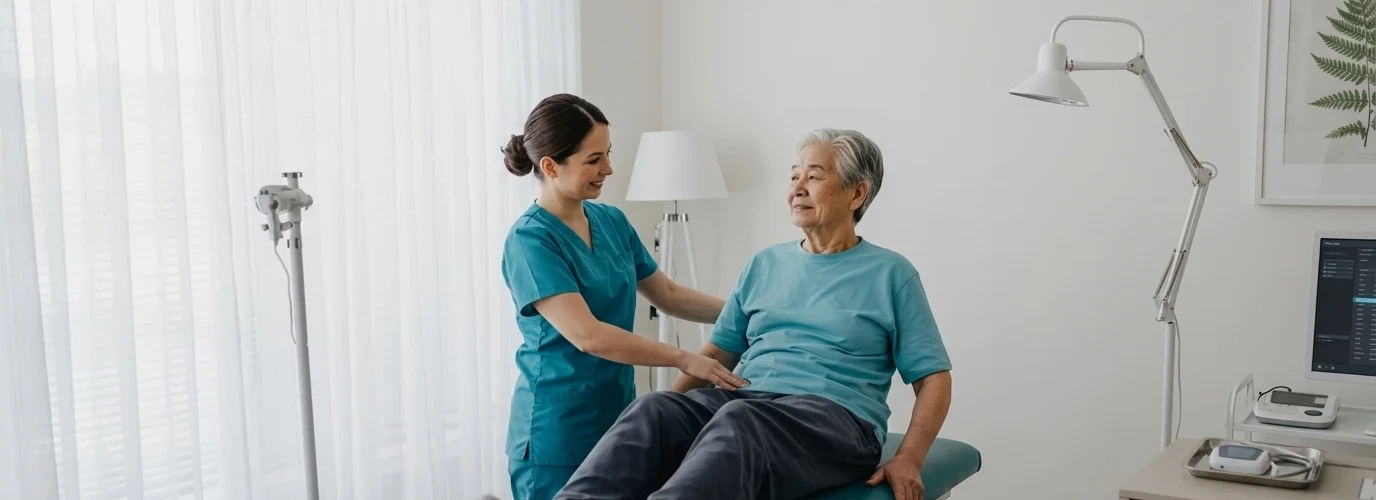
Healthcare professional assisting an older patient with leg exercises

Fracture Treatment

The care required for a fracture depends on the bone involved, the type of injury and examination or imaging findings. Your doctor can assess your needs and discuss whether management at the practice, further investigation or hospital or specialist care is appropriate.

Contact reception before attending and bring any available imaging reports, discharge information and existing treatment instructions.

Healthcare professional supporting an older patient during a medical examination

Plastering / Plaster Removal

A cast or splint may form part of an injury-management plan. Application, review or removal should follow the treating clinician’s advice and the requirements of the injury.

Confirm the required service with reception before booking. Bring the original treatment plan and relevant reports so your clinician can assess the next steps.

Healthcare professional caring for a patient in a treatment room

Mirena Insertion & Removal

A consultation provides time to discuss whether a Mirena intrauterine device is suitable for you and what insertion or removal involves. Your clinician can explain alternatives, possible side effects and pain-management options.

Contact reception to arrange an appointment with an appropriately trained clinician and ask about consultation, prescription and procedure requirements before booking.

Read More
Healthcare professional performing a minor surgical procedure

Implanon Insertion & Removal

Implanon is a contraceptive implant placed under the skin of the upper arm. A consultation allows you to discuss suitability, insertion, replacement or removal, including possible changes to bleeding patterns.

Ask reception about appointments with an appropriately trained clinician and any prescription or preparation requirements. Your clinician will explain aftercare and follow-up.

Read More
Healthcare professional supporting an older patient during a medical examination

Therapeutic Venesection

Therapeutic venesection involves removing blood as part of treatment for certain medical conditions. It should be undertaken according to a treatment plan from your managing clinician, with appropriate monitoring and review.

Before arranging an appointment, provide:

  • The referral or treatment instructions from your managing clinician
  • Relevant recent blood-test results
  • Details of previous venesection treatment, if applicable
  • Your current medicine list and relevant medical history

Contact reception to confirm whether the requested treatment can be arranged at the practice, what documentation is required and any applicable fees.

Read More
Healthcare professional performing a minor surgical procedure

Foreign Body Removal

A foreign body, such as a splinter or another object lodged in the skin, may require clinical assessment before removal. The location, depth and risk of injury help determine the safest approach.

Contact the practice for advice about the appropriate level of care. Some foreign bodies require imaging, specialist treatment or emergency assessment rather than removal in general practice.

Healthcare professional wearing a mask and gloves

Ingrown Toenail Procedures

An ingrown toenail can cause discomfort and inflammation. Your doctor can examine the toe and discuss whether conservative care, a procedure or referral is appropriate.

If a procedure is recommended, ask about anaesthetic options, possible complications, dressing care and recovery. An assessment appointment may be needed before treatment is scheduled.

Doctor examining a patient’s skin with a magnifying lamp

Cyst Removal

A lump thought to be a cyst should be assessed before a decision is made about removal. Your doctor can discuss the likely cause, whether treatment is necessary and whether the procedure can be managed at the practice.

If removal is appropriate, your clinician will explain preparation, anaesthetic options, scarring, aftercare and any pathology or follow-up requirements.

Healthcare professional performing a minor surgical procedure

Abscess Drainage

A painful or swollen area that may contain an abscess needs assessment to determine suitable treatment. Depending on the findings, drainage, medicines or referral may be considered.

Contact the practice promptly for advice about an appointment. If treatment is arranged, your clinician will explain wound care, dressing changes and follow-up.

Healthcare professional wearing a mask and gloves

Cosmetic Procedures

If you are considering a cosmetic procedure, contact the practice to ask which services are available and whether an initial consultation is required. The consultation should allow time to discuss your goals, suitability and realistic expectations.

Before deciding on treatment, ask about:

  • The proposed procedure and available alternatives
  • The clinician’s relevant qualifications and experience
  • Expected benefits, limitations and possible complications
  • Recovery, aftercare and follow-up arrangements
  • Fees and any additional costs

Treatment suitability and availability must be confirmed with the practice. Outcomes vary, and no particular result is guaranteed.