General & Family Healthcare

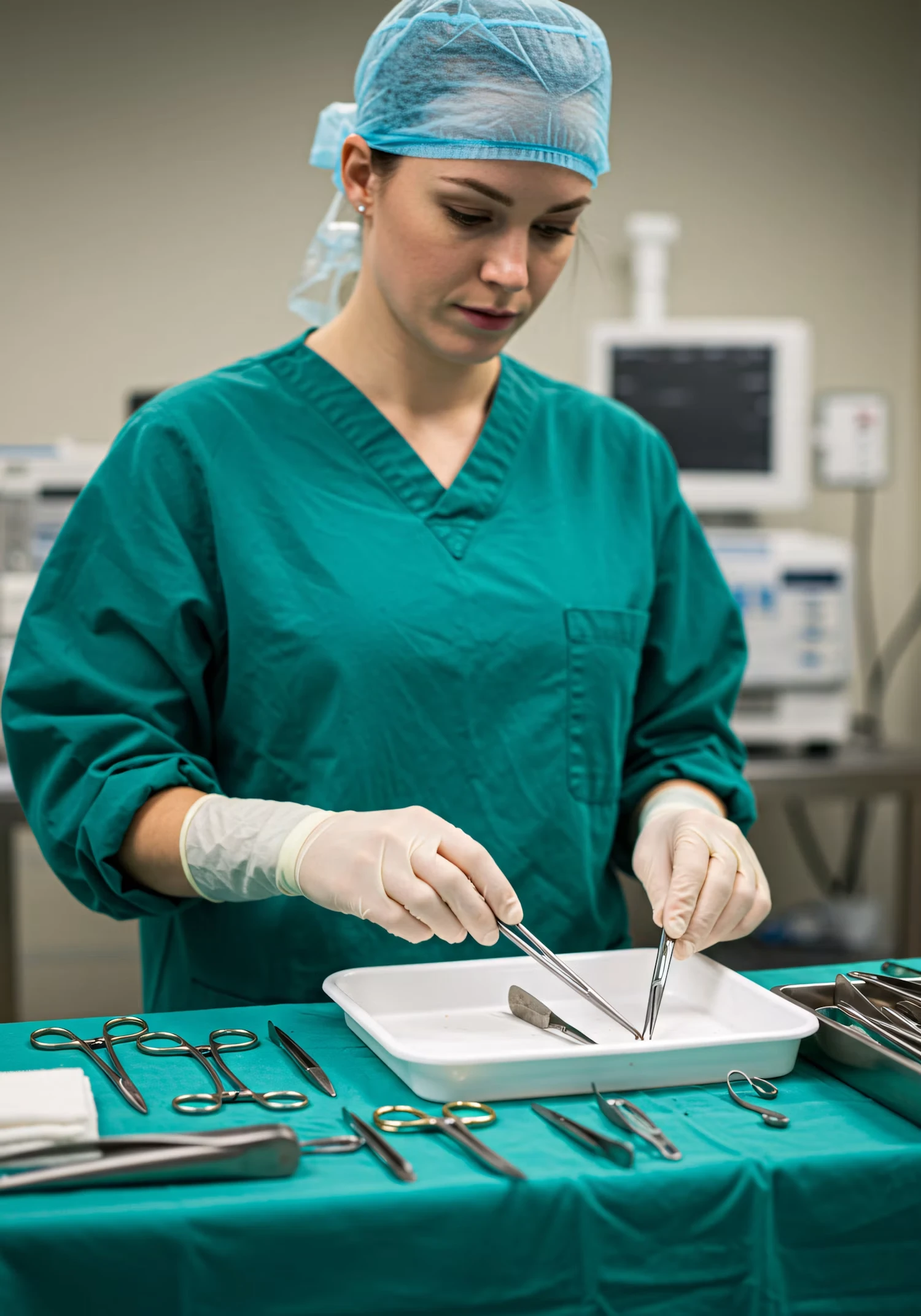
Healthcare professional performing a minor surgical procedure

General Practice

General practice provides a starting point for everyday health concerns and ongoing care for you and your family. Your appointment is an opportunity to discuss new symptoms, review an existing concern and ask questions about your health.

Your consultation may include:

  • Discussion of your symptoms and relevant medical history
  • Review of current medicines and health concerns
  • An examination or further assessment where appropriate
  • Advice about treatment options, referrals and follow-up
Read More
Doctor checking a patient’s blood pressure

Men’s Health

Discuss your physical and emotional wellbeing in a confidential consultation. Topics may include urinary or prostate concerns, sexual health, mental health and changes affecting your everyday life. Your GP can explain which assessments or next steps may be appropriate for your individual circumstances.

Read More
Healthcare professional caring for a patient in a treatment room

Women’s Health

Women’s health needs can change through different stages of life. A consultation provides time to discuss menstrual concerns, reproductive and sexual health, contraception, menopause and emotional wellbeing. Your GP can help you understand your options and plan care suited to your needs.

Read More
Doctor examining a young child during a medical check-up

Baby & Children’s Health

From the early weeks of life through childhood and adolescence, parents and carers may have questions about their child’s health, growth and development. Your GP can discuss current symptoms, everyday health concerns and any changes you have noticed.

You can discuss:

  • Feeding, growth and developmental concerns
  • Common childhood illnesses and symptoms
  • Sleep, behaviour and emotional wellbeing
  • Routine health checks and immunisation questions

Bring your child’s Personal Health Record, also known in Queensland as the Red Book, if available, along with details of medicines and relevant specialist care.

Read More
Healthcare professional caring for a mother and newborn baby

Pregnancy & Antenatal Care

Whether you are planning a pregnancy or have recently found out you are pregnant, a GP appointment provides an opportunity to discuss your health, ask questions and explore your maternity-care options. Care can be coordinated with your maternity team according to your needs and local arrangements.

Topics to discuss with your GP include:

  • Your medical history and any existing health conditions
  • Current medicines and questions about supplements
  • Recommended checks, tests and referrals
  • Physical and emotional wellbeing during pregnancy
  • Your options for ongoing antenatal care

Bring any available pregnancy records, test results and a current medicine list. Ask reception about a suitable appointment length when booking.

Healthcare professional speaking with a patient

Mental Health

Your emotional wellbeing is an important part of your overall health. A GP consultation provides a confidential space to discuss concerns such as stress, low mood, anxiety, sleep difficulties or changes that are affecting daily life.

Your GP can talk through your concerns and discuss suitable support, follow-up or referral options. Where appropriate, you can also discuss whether a mental health treatment plan may be suitable. Let reception know if you would like a longer appointment.

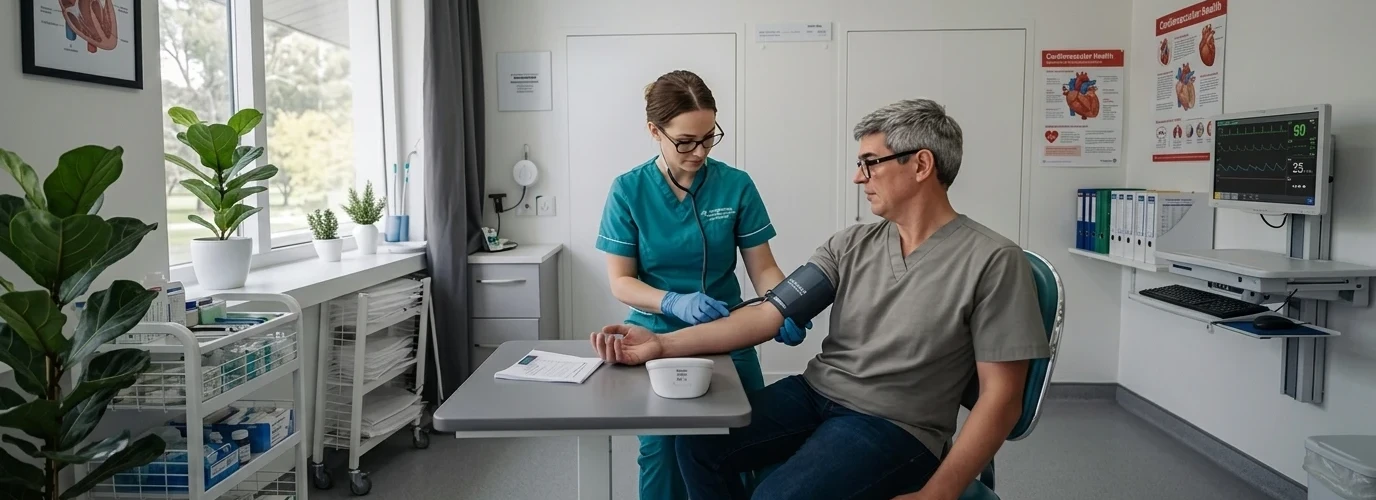
Healthcare professional checking a patient’s blood pressure

Indigenous Health

Aboriginal and Torres Strait Islander patients are welcome to discuss their health priorities, family circumstances and preferences for care. We recognise the importance of listening and considering physical, emotional, social and cultural wellbeing together.

Speak with your GP about your current concerns, ongoing care and whether an Aboriginal and Torres Strait Islander health assessment or other support may be appropriate. You are welcome to discuss involving a family member or support person in your consultation.

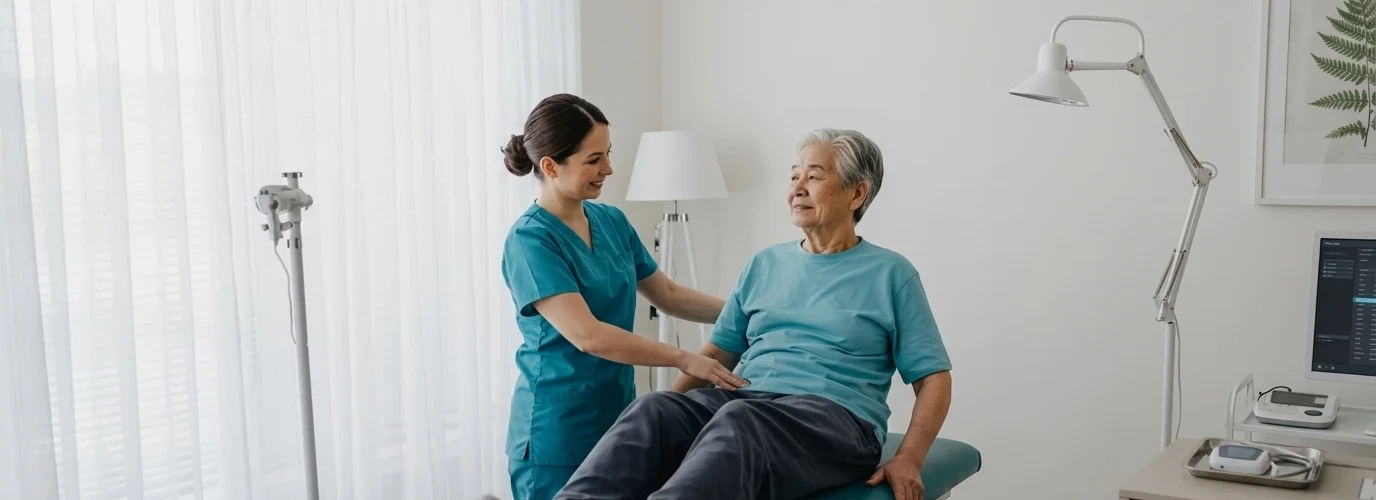
Healthcare professional supporting an older patient during a medical examination

Work Injuries / WorkCover

If you have been injured at work, your appointment provides an opportunity to discuss the injury, your symptoms and how your work duties are affected. Your doctor can assess your needs and discuss treatment, further investigations, referrals and follow-up where appropriate.

When booking or attending, provide:

  • Details of the injury and when it happened
  • Information about your job and usual duties
  • Any available claim number and insurer details
  • Relevant employer forms, reports or previous medical records

Please confirm appointment requirements and billing arrangements with reception. Any work-capacity recommendations or medical documentation depend on your clinical assessment.

Read More

Doctor discussing test results with a patient

Driver Medicals

A driver medical assesses health factors relevant to safe driving against the applicable medical standards. Requirements can differ according to your licence and circumstances.

Contact reception before booking to confirm the assessment required. Bring the relevant licensing forms, your current medicine list, glasses or contact lenses if used, and any relevant specialist reports.

Read More
Doctor speaking with a patient

Pre-employment Medicals

Pre-employment medical requirements depend on the role and the employer’s requested assessment. Contact reception before booking so the practice can confirm whether the required assessment and tests can be arranged.

Provide the employer’s forms, a description of the role and any specific testing requirements. Ask about appointment length, fees and how the completed documentation will be provided.

Read More
Doctor speaking with a patient

Medical Certificates

If illness or injury affects your ability to work or attend your usual commitments, you can discuss your circumstances with your GP. A medical certificate may be provided where clinically appropriate following assessment; it is not issued automatically on request.

During your appointment:

  • Explain your symptoms and when they began
  • Discuss how your condition affects your usual activities
  • Provide any relevant workplace or organisation requirements
  • Ask about treatment, recovery and follow-up where needed

Contact the practice promptly if you need an assessment. Let reception know about any specific forms when arranging your appointment.